September 11, 2026
Understanding your air conditioning system is crucial to effective home maintenance and ensuring long-term operational longevity. Many homeowners overlook the basic mechanics of their cooling units until a major breakdown occurs during the peak of summer heat. By understanding the core components of your AC unit, identifying the specific system type installed in your home, recognizing early signs of mechanical stress, and performing routine upkeep tasks, you can dramatically enhance system reliability. Equipping yourself with foundational knowledge allows you to manage your cooling setup effectively, avoid common maintenance pitfalls, reduce monthly energy expenses, and enjoy a consistently comfortable home environment year after year. Proper AC maintenance is not just about fixing problems when they arise; it begins with a comprehensive understanding of how every part functions together to keep your living space cool.
Understanding the Essential Components of Your AC System
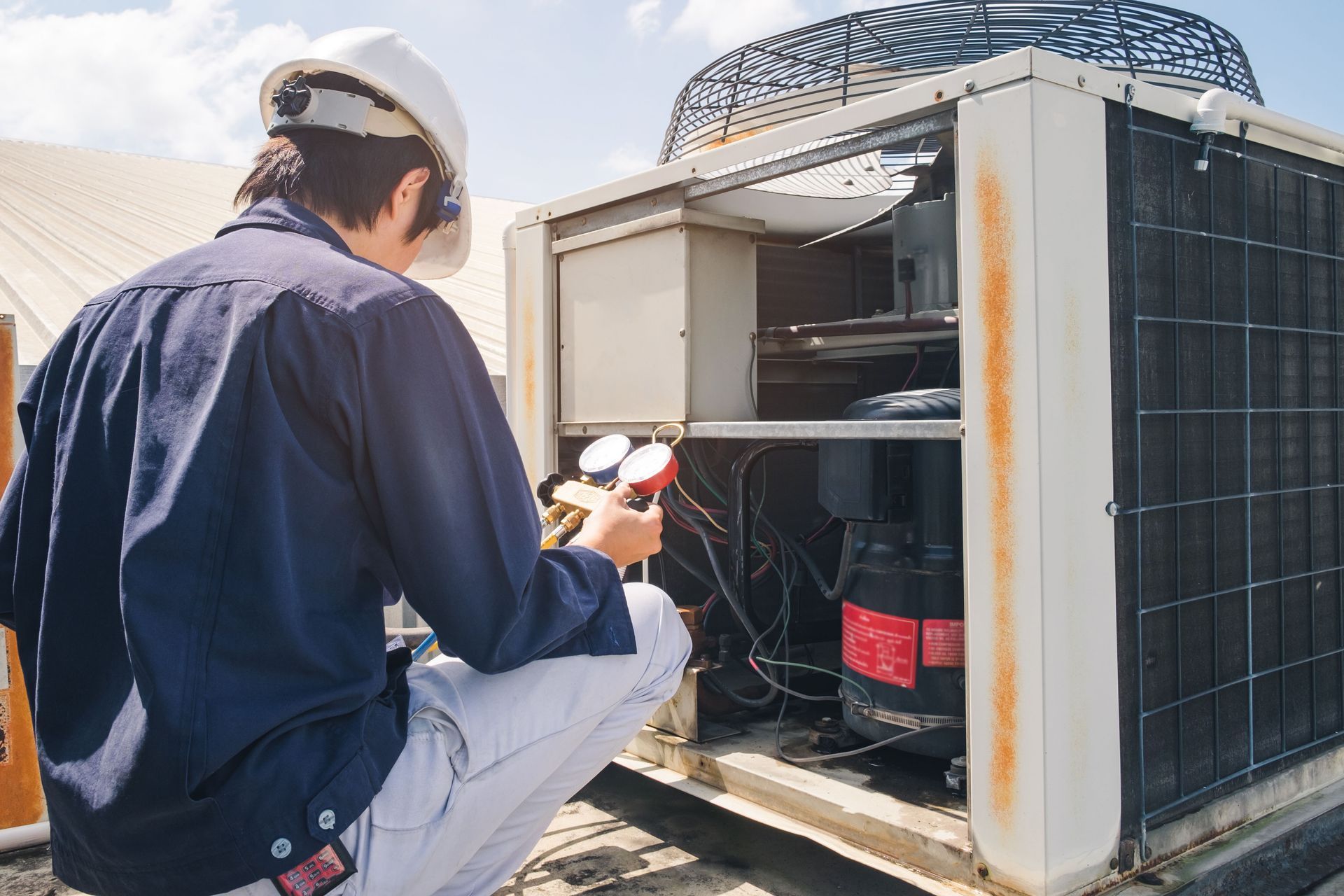
Every air conditioning system relies on a network of specialized components working in harmony to transfer heat from inside your home to the outdoors. The compressor acts as the heart of the entire setup, pressurizing refrigerant and pumping it through the system to initiate the heat exchange cycle. Keeping the compressor clean, well-lubricated, and free from surrounding debris prevents severe mechanical wear and overheating. Indoors, the evaporator coils absorb ambient heat from the air as the refrigerant evaporates into a gas. When these coils become coated in dust or dirt, their ability to absorb heat degrades, often causing the system to freeze up or run continuously. Outdoors, the condenser coils perform the opposite function, releasing the absorbed heat into the open air so the refrigerant can condense back into a liquid state.
Refrigerant serves as the essential lifeblood circulating through these components. Modern cooling setups rely on specific, environmentally compliant refrigerants, and understanding which type your unit requires is critical for servicing and leak resolution. Ensuring correct refrigerant levels prevents system strain and keeps operational efficiency high. Finally, the thermostat serves as the central control brain, regulating operation cycles based on your desired indoor temperature settings. According to new research by Carrier, more than one-quarter (26%) of homeowners do not know the age of their current HVAC system, and a slight majority (54%) do not know the average lifespan of an HVAC system. Calibrating your thermostat and understanding its programming capabilities prevents unnecessary system cycling, reduces energy waste, and provides a solid foundation for your overall AC maintenance routine.
Identifying Your Specific AC System Type
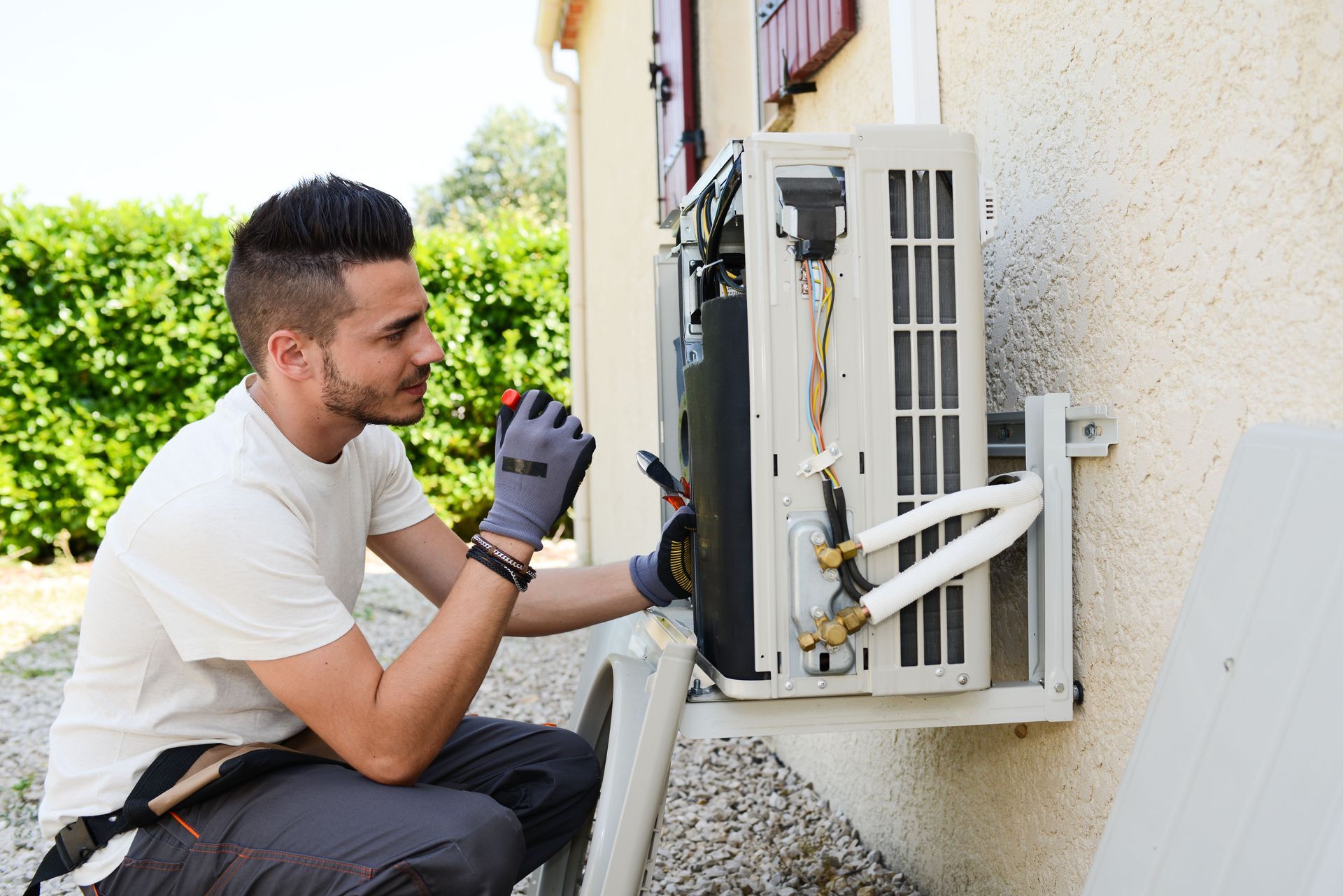
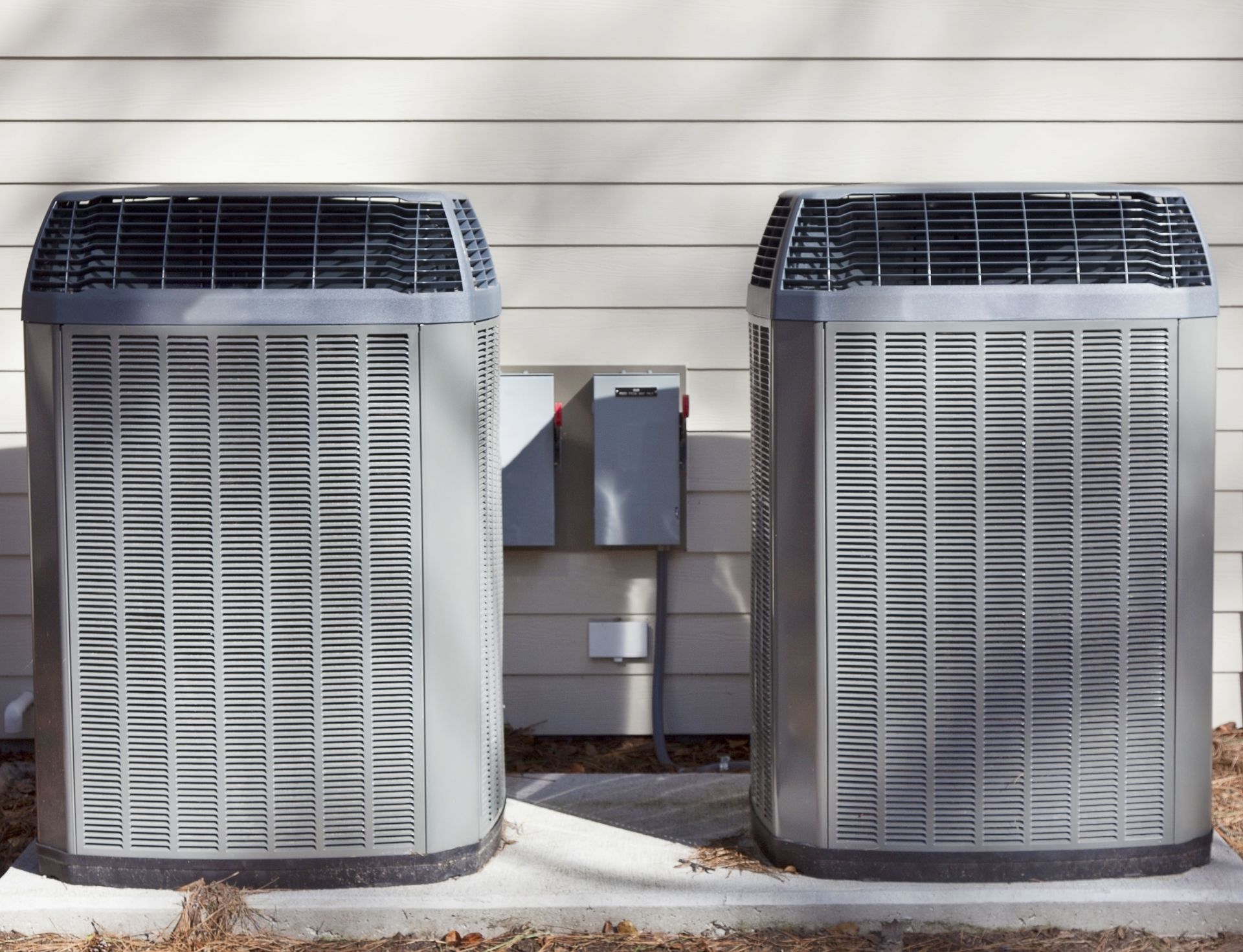
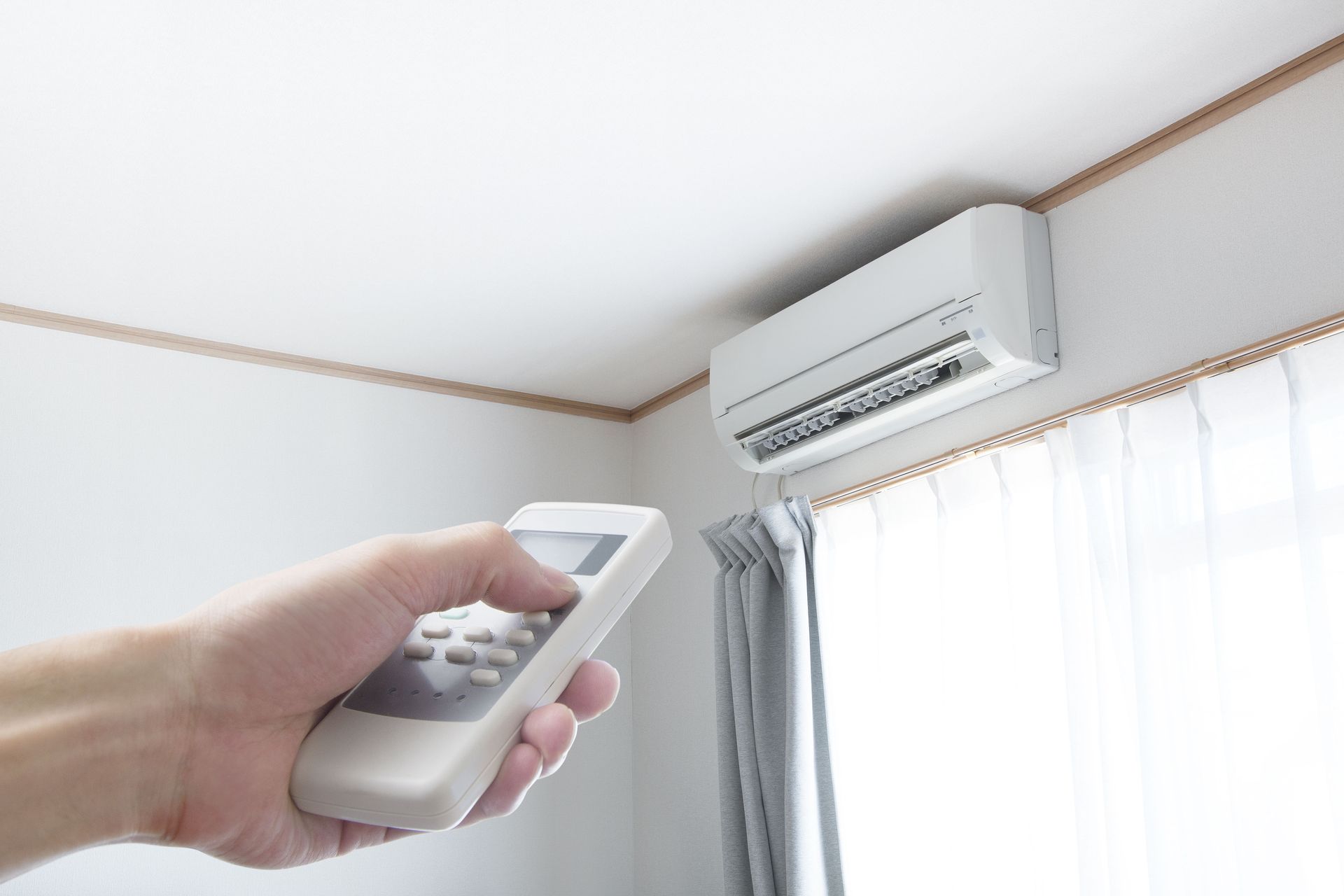
Air conditioning systems come in various configurations, and recognizing which system type cools your home is vital for applying proper maintenance techniques. Central air conditioning systems are the most widespread, utilizing an outdoor condensing unit, an indoor evaporator coil, and a network of ductwork to distribute cool air evenly throughout large properties. Maintaining a central system requires routine air filter replacements, duct inspections, and regular coil cleanings to preserve balanced airflow. Ductless mini-split systems offer an alternative for homes without ductwork, utilizing an outdoor compressor connected to individual indoor air handlers. These systems allow for precise room-by-room zoning, requiring users to maintain individual air filters and keep outdoor units clear of physical obstructions.
Other homes rely on localized or specialized cooling setups. Portable air conditioners are self-contained, versatile units designed for single-room cooling, requiring users to regularly drain condensed water and ensure the exhaust hose remains properly vented. Window units offer another affordable single-room option, mounted directly in window frames; they require seasonal removal, seal checks, and filter washing to operate effectively. Hybrid air conditioners blend traditional electrical cooling with heat pump technology, switching between energy sources based on external temperatures to maximize efficiency. Each system type presents unique mechanical needs, and understanding your unit's specific design ensures you apply the correct AC maintenance protocols to protect your investment.
Recognizing Common AC Issues Early
Recognizing early warning signs of system distress can prevent minor operational glitches from escalating into catastrophic equipment failures. Refrigerant leaks are among the most common issues, often manifesting as hissings sounds, reduced airflow, elevated indoor humidity, or ice accumulation on the copper lines. Operating a system low on refrigerant places immense strain on the compressor, drastically shortening its operational life and inflating monthly power bills. Frozen evaporator coils also signal restricted airflow or improper refrigerant charge. When dust coats the coils or a clogged filter starves the system of air, the internal temperature drops below freezing, causing ambient moisture to ice over the copper tubing and blocking air movement entirely.
Electrical and mechanical failures also frequently plague neglected systems. Faulty capacitors, worn fan belts, frayed wiring, and clogged condensate drain lines can bring cooling to a complete halt. A clogged drain line causes water to back up into the drain pan, which can trigger automatic safety shutoffs or cause costly water damage to surrounding ceilings and flooring. By observing how your system sounds, smelling for unusual odors near air vents, and monitoring cycle lengths, you can catch emerging mechanical faults early. Prompt attention to these warning signs allows for targeted repairs that preserve vital components and maintain consistent indoor comfort.
Implementing Proactive Maintenance Strategies
Consistent, proactive upkeep is the single most effective way to extend the lifespan of your cooling equipment and maintain high operational efficiency. Homeowners can handle several basic tasks independently, such as replacing disposable air filters every one to three months, keeping the perimeter around the outdoor condenser unit clear of leaves and vegetation, and ensuring indoor return vents remain unobstructed by furniture or drapes. Additionally, washing window unit filters, clearing condensate drain lines with diluted vinegar, and verifying thermostat accuracy contribute significantly to smooth daily performance. These straightforward measures reduce physical strain on the blower motor and compressor, ensuring air flows freely through the entire system.
While basic tasks can be managed at home, professional AC maintenance provides deep technical evaluation that safeguards complex internal machinery. Certified HVAC technicians utilize specialized instruments to check electrical connections, measure refrigerant pressure levels, inspect fan motor amperage, and chemically clean heavily soiled coils. Professional tune-ups ensure that safety controls function correctly and that subtle mechanical wear is identified before it leads to mid-summer breakdowns. Combining diligent homeowner care with scheduled professional servicing creates a comprehensive maintenance strategy that keeps your system operating quietly, efficiently, and reliably through the hottest months of the year.
The Financial and Practical Value of System Care
Committing to regular AC maintenance yields substantial financial and practical rewards for homeowners over time. An air conditioner operating with clean coils, fresh filters, and correct refrigerant levels consumes significantly less electricity to cool your home, leading directly to lower monthly utility costs. Furthermore, routine upkeep protects expensive internal components like the compressor and fan motor from premature failure, helping you avoid costly emergency repairs and delaying the heavy financial burden of a full system replacement. Maintaining detailed service records also preserves manufacturer warranty coverage, ensuring that qualifying component replacements remain covered under formal policy terms.
Good
AC maintenance truly starts with knowing your system, understanding its key components, and taking a proactive approach to seasonal upkeep. Recognizing the functional roles of your compressor, coils, refrigerant, and thermostat empowers you to detect early signs of mechanical stress and address efficiency losses before they turn into costly breakdowns. Whether your home relies on a traditional central unit, a ductless mini-split, or a hybrid configuration, consistent filter changes, coil cleanings, and system checks are essential for preserving peak operational health. Prioritizing routine care lowers monthly energy bills, improves indoor air quality, and ensures your living space remains consistently cool and comfortable throughout the hottest months of the year. When you need expert tune-ups, precise system diagnostics, or emergency cooling repairs, rely on Damm Good Plumbing & Air to deliver top-tier service tailored to your exact needs.