August 17, 2026
Understanding the basics of heating, ventilation, and air conditioning can help homeowners maintain a comfortable and energy-efficient home environment. This article offers essential tips and advice to troubleshoot and resolve common climate control issues. These systems are vital for regulating indoor temperatures and ensuring air quality throughout the year. However, without proper upkeep, equipment can become inefficient, costing you more in utility bills and unexpected service calls. By familiarizing yourself with basic components and troubleshooting methods, you can potentially save money and prolong the life of your equipment. Knowing when to handle minor maintenance yourself and when to call for professional HVAC repair ensures your system operates smoothly in every season.
Understand Your Heating and Cooling Equipment
A standard home climate control setup consists of several key components, including the furnace, air conditioner, thermostat, and ductwork. Each of these parts plays a crucial role in maintaining a comfortable temperature and efficient operation throughout your entire residence. Understanding how these components interact helps you diagnose potential issues as soon as they arise.
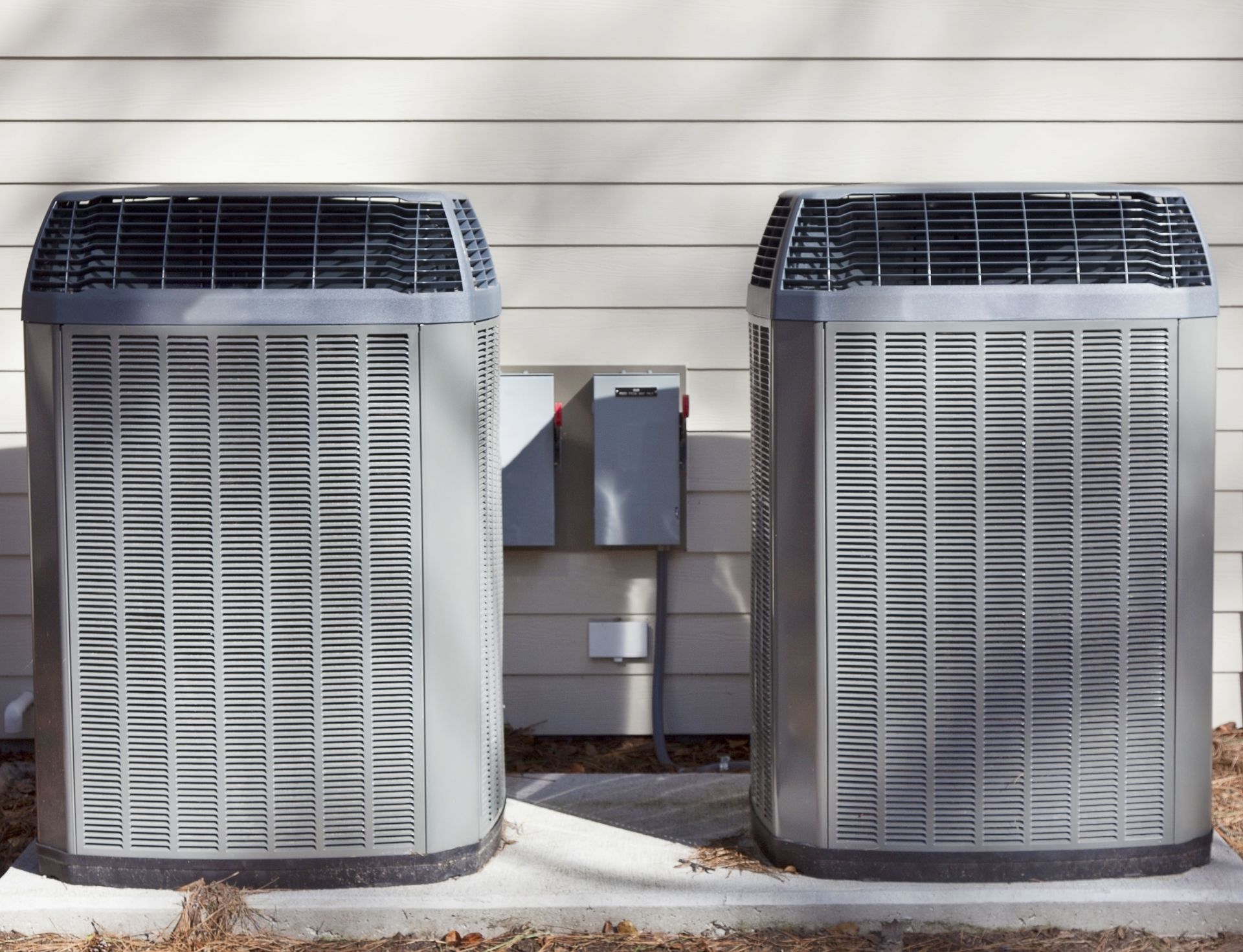
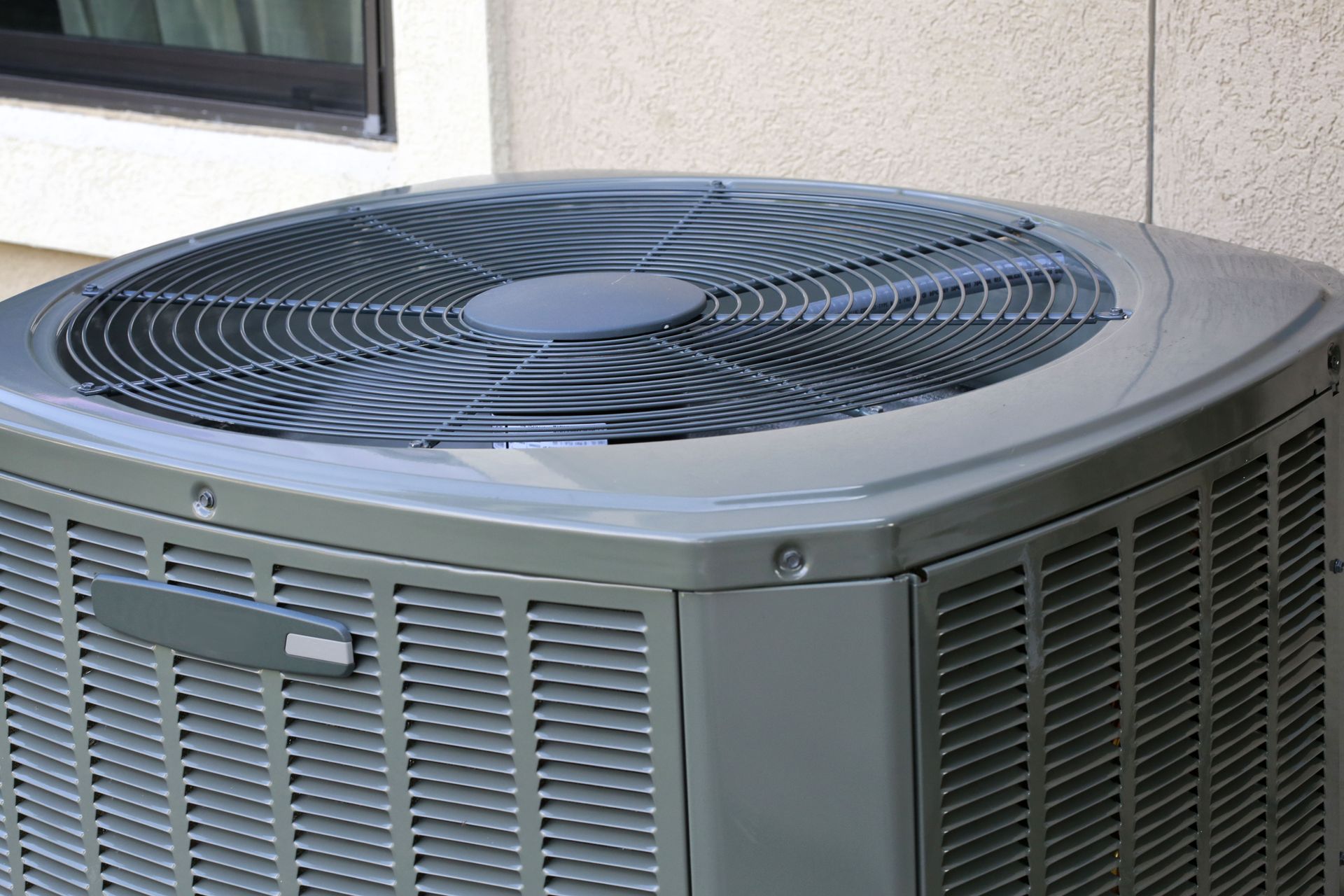
The air conditioner's outdoor condenser unit dispels heat outside during warmer seasons, while the indoor evaporator coil absorbs heat and cools the circulating air inside your home. Heating elements work similarly by generating warmth through gas combustion or electrical resistance before circulating that air through your duct network. In addition to physical components, electronic controls and sensors are vital for system efficiency and precision.
When these intricate electrical or mechanical parts malfunction, scheduling timely HVAC repair restores proper airflow, balanced temperatures, and optimal energy performance throughout your living spaces. Regular inspection of electrical relays, safety switches, and internal fans prevents sudden performance drops during extreme weather conditions. Staying proactive allows your system to run safely and consistently regardless of outside conditions.
Troubleshoot Common System Issues
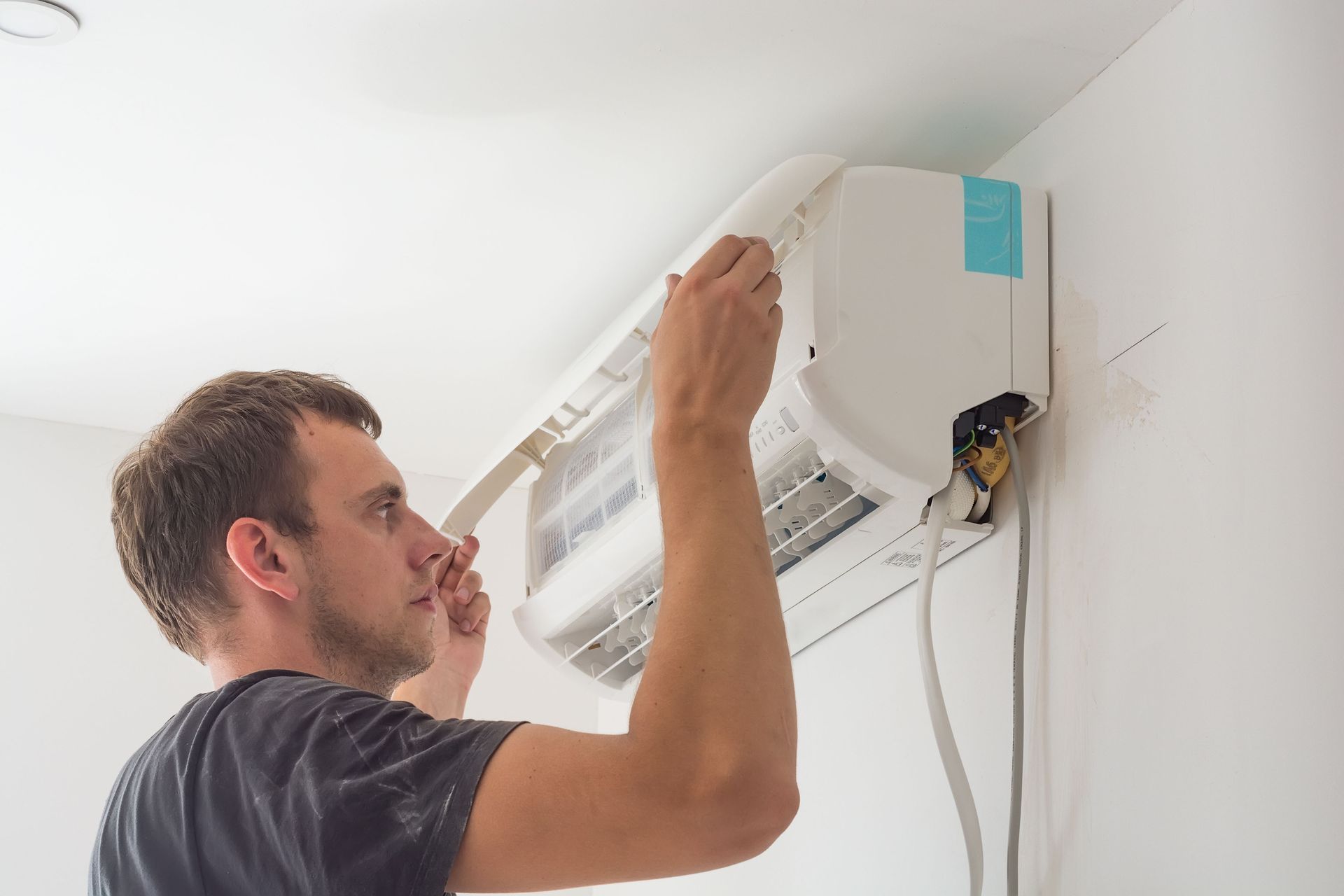
If your system fails to heat or cool effectively, start by checking your thermostat settings to ensure it is set to the desired temperature and proper operating mode. Simple resets or battery replacements often resolve minor communication glitches between the thermostat and the main equipment. Next, inspect air filters for dust accumulation, as blocked filters impede airflow and force the machinery to work much harder than necessary, leading to overheating or premature wear.
Additionally, examine the outdoor condenser unit for obstructions like fallen leaves, grass clippings, or garden debris that restrict essential airflow. Uncommon noises such as loud banging, high-pitched squealing, or grinding indicate mechanical issues or loose internal components that require immediate attention. Poor airflow through supply registers, frequent system cycling, or sudden spikes in monthly utility bills are further indicators that your home setup requires a certified HVAC repair technician to inspect internal components before minor faults lead to complete operational failure.
Ignoring minor warning signs often leads to widespread system damage across multiple connected parts. Early diagnostic checks prevent minor operational hiccups from turning into complete emergency shutdowns when you need heating or cooling the most. Addressing initial signs of mechanical stress protects major components like motors and compressors from suffering irreversible wear.
It is also important to keep track of seasonal transition periods when temperature demands shift rapidly. Testing both heating and cooling modes before severe weather hits allows you to uncover subtle faults early and address them calmly before peak demand strains service schedules.
Perform Routine Homeowner Upkeep
Regular filter changes are a simple but vital aspect of ongoing system care that dramatically improves overall efficiency and indoor air quality. Filters collect airborne dust, pet dander, and other contaminants that would otherwise circulate through your living spaces and settle on sensitive internal components. Replacing or cleaning filters every few months prevents restrictive buildup and preserves smooth air movement. Keep condenser coils and evaporator surfaces clear of debris, and ensure supply registers and return air grilles remain unblocked by heavy furniture, rugs, or drapes.
Periodically inspect accessible ductwork in attics, basements, or crawlspaces for visible air leaks, loose connections, or sagging sections. Sealing small gaps with appropriate mastic sealant or specialized foil tape prevents conditioned air from escaping into unconditioned zones, reducing energy waste and balancing indoor temperatures throughout every room in your home.
While routine cleaning, visual inspections, and basic filter swaps are easy tasks for homeowners to perform, complex mechanical adjustments, electrical testing, and refrigerant level modifications are best reserved for certified HVAC repair specialists who possess proper safety gear and technical certifications.
Recognize When Professional Intervention Is Needed
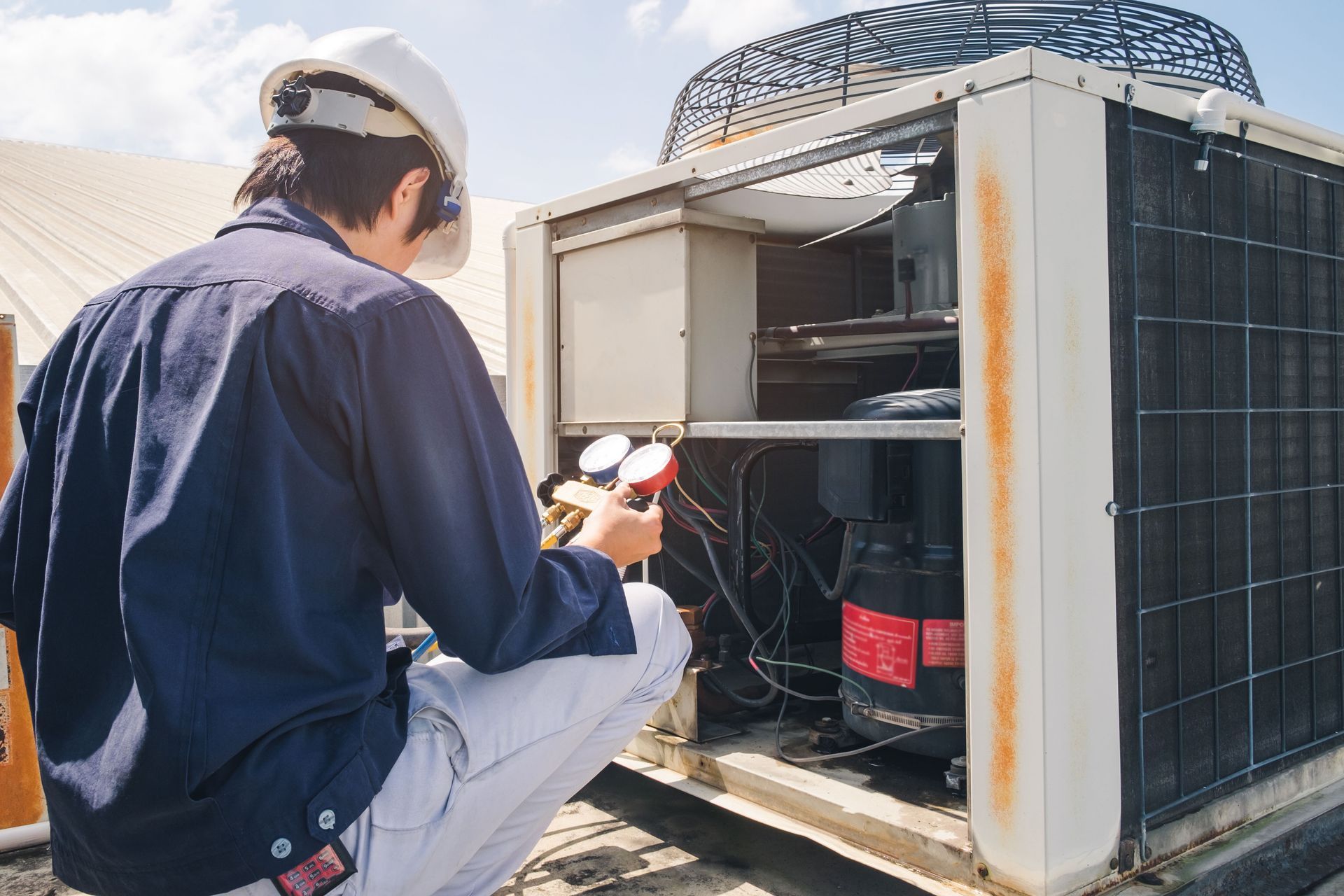
Reaching out to certified professionals is paramount when dealing with sensitive mechanical, electrical, or chemical components. Some equipment problems require specialized technical skills, advanced diagnostic equipment, and strict safety protocols that go far beyond basic DIY capabilities. Major electrical failures, persistent refrigerant leaks, continuous short-cycling, frozen evaporator coils, and structural ductwork collapse demand expert evaluation and precision repairs. Attempting complex fixes independently can void manufacturer warranties, cause severe damage to expensive electronics, or create catastrophic safety hazards like gas leaks or electrical fires. Professional technicians possess the rigorous training and hands-on experience required to identify root causes quickly, protect your property, and execute lasting solutions safely.
According to the U.S. Bureau of Labor Statistics, employment opportunities for HVAC professionals are anticipated to increase by eight percent over the decade spanning from twenty-twenty-four to twenty-thirty-four. This steady growth highlights the increasing reliance on qualified technicians who can perform accurate diagnosis and proper maintenance on complex modern machinery.
Relying on trained specialists for your HVAC repair needs guarantees that intricate electrical wiring, delicate sensors, and chemical refrigerants are handled in full compliance with industry standards and safety regulations. Expert evaluation ensures your unit remains safe, efficient, and fully compliant with local home mechanical codes. Furthermore, scheduling annual professional checks keeps your manufacturer warranty valid and active over the unit's lifespan, protecting your long-term investment against unexpected, expensive equipment failures.
Improve Efficiency and Reduce Operating Costs
Upgrading to a programmable or smart thermostat allows you to automate temperature schedules around your family's daily routine, automatically reducing energy usage while you are away at work or asleep at night. Ensuring proper home insulation and weatherstripping around exterior doors and windows complements your heating and cooling equipment, preventing valuable warm or cool air from escaping through cracks and drafts. These envelope improvements ease the operational load on your equipment, keeping energy costs low.
Adopting energy-conscious household habits further optimizes performance without sacrificing daily comfort. Utilizing ceiling fans to aid room air circulation allows you to set the thermostat slightly higher during summer without feeling warmer. Keeping window blinds drawn during peak sunny hours prevents unwanted solar heat gain, reducing cooling demands.
Combining these proactive habits with timely HVAC repair whenever performance drops maximizes equipment lifespan, prevents emergency breakdowns, keeps monthly utility bills manageable, and preserves ideal indoor comfort all year long. Establishing a consistent care routine safeguards your financial investment while delivering peace of mind.
Taking care of your heating and cooling system through routine maintenance, thoughtful energy habits, and quick troubleshooting keeps your home comfortable in every season. While basic tasks like changing filters, clearing outdoor debris, and checking thermostat settings are easy for homeowners to handle, complex mechanical or electrical issues require trained hands. Reaching out to trusted, certified specialists at the first sign of trouble prevents catastrophic equipment failure and guarantees your home's safety. Protecting your investment means relying on qualified experts whenever major fixes or comprehensive system evaluations are needed. For fast, reliable service and expert HVAC repair, contact the experienced team at Damm Good Plumbing & Air today to schedule your consultation!