April 27, 2026
Understanding how air conditioning systems use energy is essential for making smart choices that balance comfort, cost, and sustainability. From efficiency ratings like EER and SEER to proper system sizing and installation, every detail plays a role in how well your AC performs and how much it costs to run. As energy prices continue to rise and environmental concerns grow, homeowners are paying closer attention to how their cooling systems operate. Modern advancements like inverter technology and smart thermostats are also changing the way we think about home comfort, making efficiency more achievable than ever.
1. Understanding Energy Efficiency in AC Systems
Energy efficiency refers to the ability of a system to use less energy to perform the same tasks, thus reducing energy waste. In the context of air conditioning, this means cooling a space using the least amount of energy possible. Efficient AC systems reduce electricity consumption, leading to lower utility bills for homeowners. As energy costs continue to rise, focusing on efficiency becomes increasingly important. Not only does this benefit the individual financially, but it also reduces the carbon footprint associated with energy production.
The Energy Efficiency Ratio (EER) is a measure of how efficiently an air conditioning unit operates when the outdoor temperature is at a specific level. It is calculated by dividing the cooling capacity in British thermal units (BTUs) by the power input in watts. A higher EER indicates a more efficient air conditioning unit, which leads to reduced energy consumption. Selecting a unit with a high EER can result in significant cost savings over time. As consumers become more environmentally conscious, the demand for AC units with higher EERs is expected to grow.
The Seasonal Energy Efficiency Ratio (SEER) is similar to the EER but takes into account the varying temperatures throughout the cooling season. It provides a more comprehensive view of an AC unit's efficiency by averaging the unit's energy consumption over an entire cooling season. Like the EER, a higher SEER rating indicates a more efficient system. Investing in a unit with a high SEER can be more expensive initially but often pays off through lower energy bills. The U.S. Department of Energy recommends considering SEER ratings when purchasing a new AC system for maximum efficiency.
British Thermal Units (BTUs) measure the cooling capacity of an air conditioning system. Understanding BTUs is crucial when selecting an AC unit, as it must be appropriately sized for the space it will cool. An AC unit that is too large will cycle on and off frequently, wasting energy, while a unit that is too small will run continuously without effectively cooling the space. Properly sizing an AC unit ensures optimal performance and energy efficiency. Consulting with a professional can help determine the appropriate BTU capacity for your home.
2. The Impact of Proper AC Installation on Efficiency
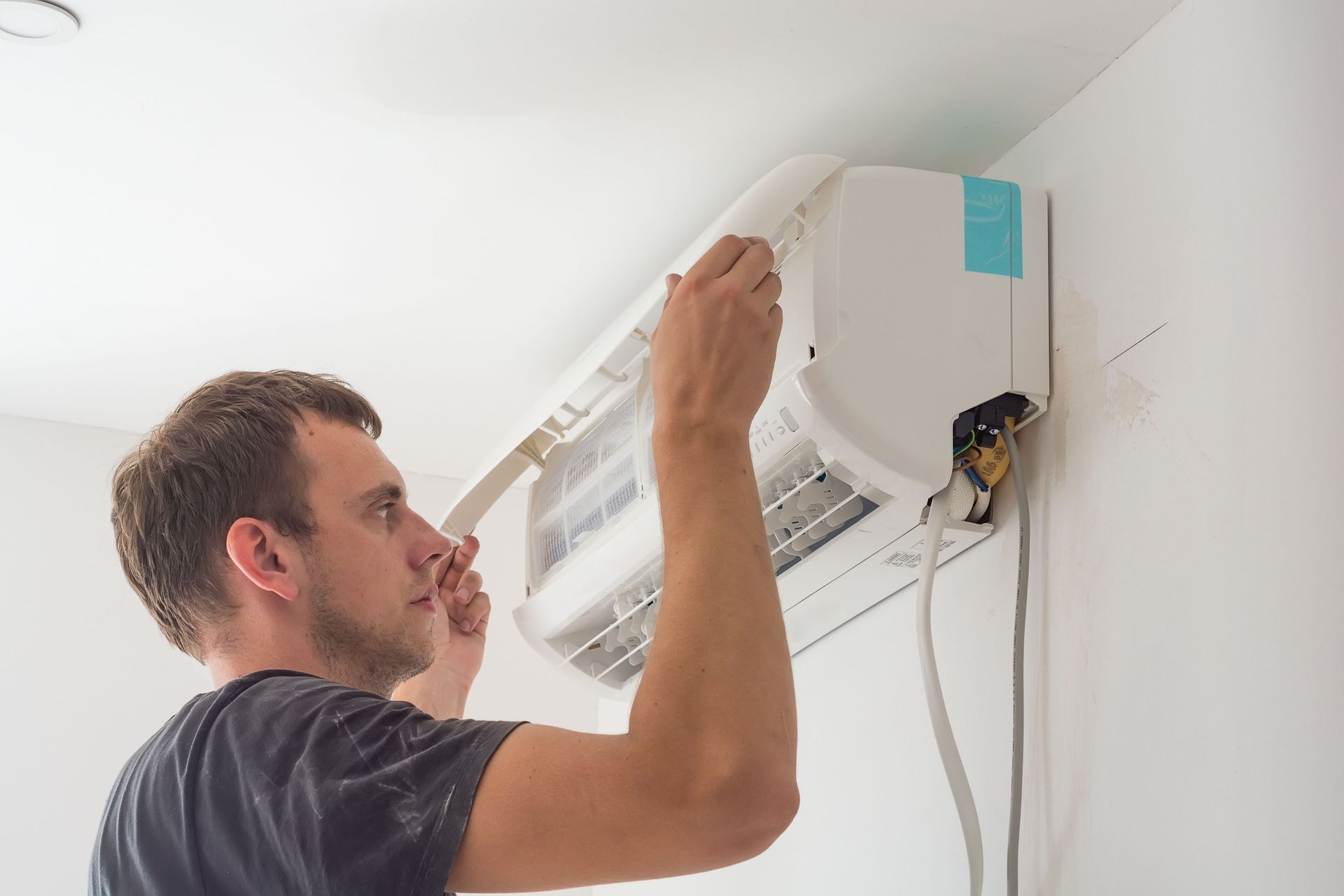
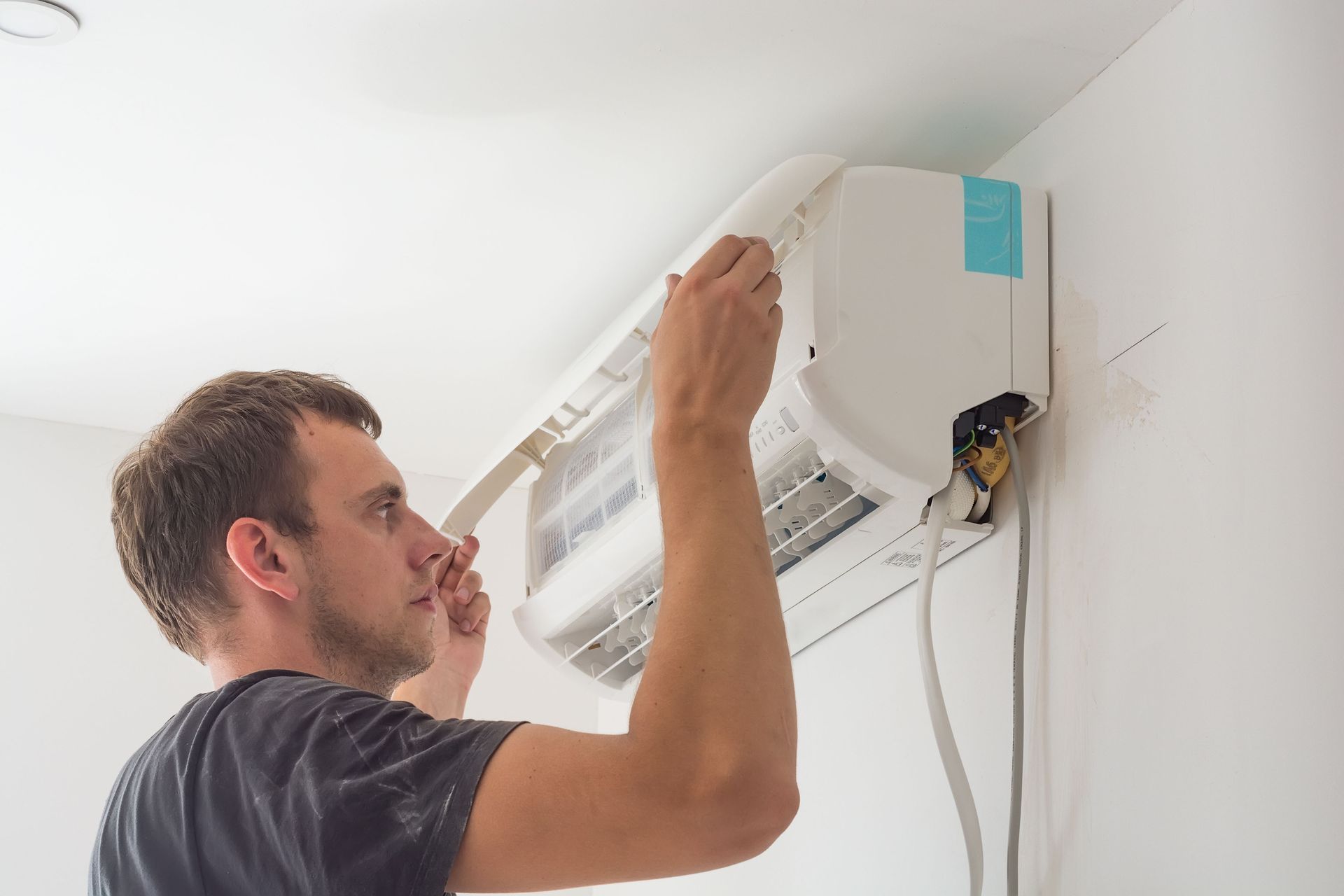
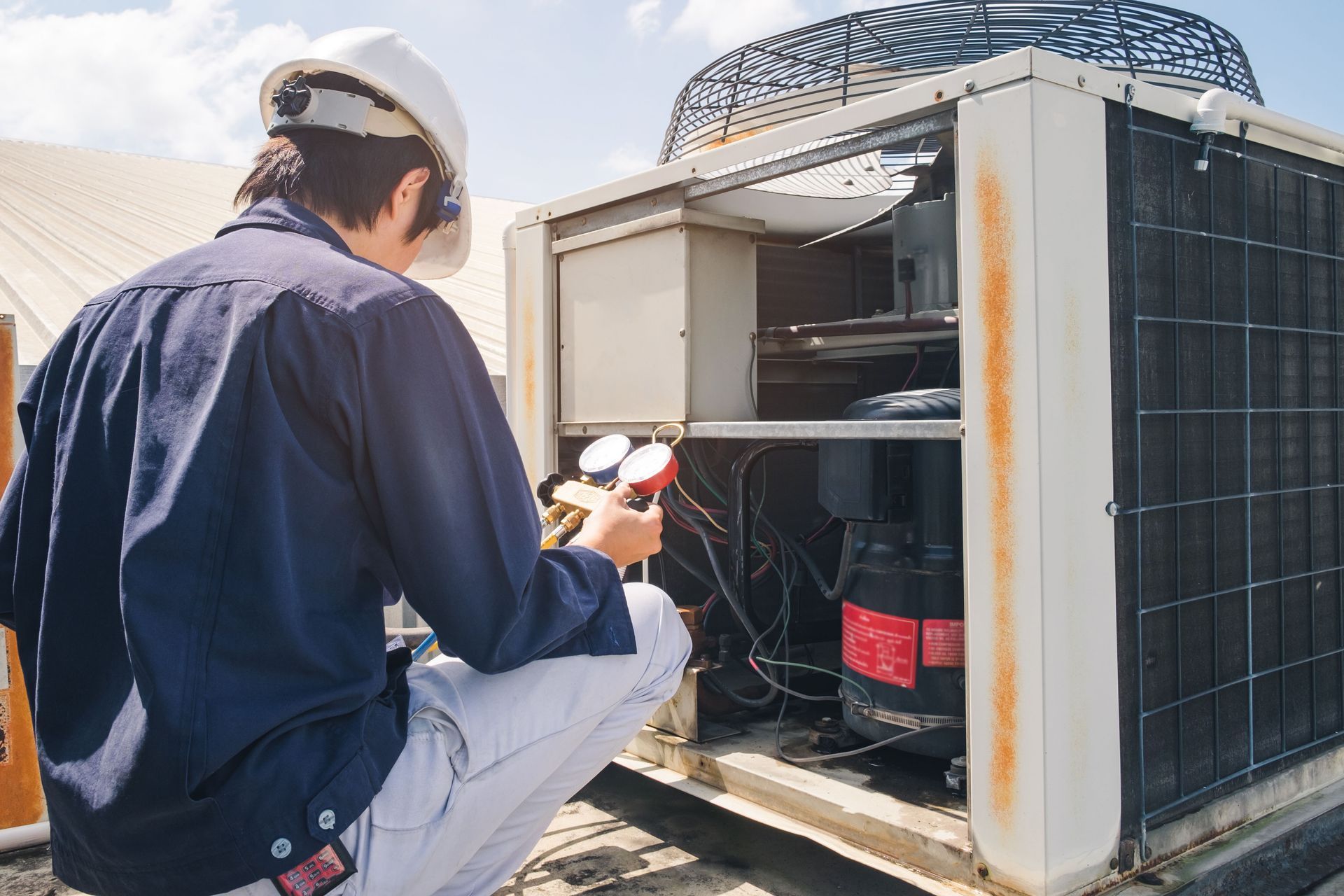
Proper AC installation is critical to the efficiency and performance of an air conditioning system. Professional AC installation ensures that the AC unit is correctly sized, positioned, and calibrated for optimal operation. According to the U.S. Bureau of Labor Statistics, there were approximately 425,200 people employed as heating, air conditioning, and refrigeration mechanics and installers during the year 2024. These professionals possess the expertise needed to avoid common AC installation errors that could compromise system efficiency. By hiring a qualified installer, homeowners can be confident that their system will operate at peak efficiency.
Common AC installation mistakes can significantly reduce the efficiency of an AC system. These include incorrect sizing, inadequate ductwork, and improper refrigerant charge. Such errors can lead to increased energy consumption, higher utility bills, and reduced system lifespan. Ensuring that AC installation is done by a certified professional can prevent these issues. By avoiding these mistakes, homeowners can ensure their AC system operates efficiently and effectively.
Proper sizing of an AC unit is essential to its efficiency and effectiveness. Load calculation involves assessing the thermal characteristics of a home to determine the appropriate cooling capacity needed. An accurately sized unit will operate efficiently, providing consistent cooling without overworking or short cycling. Professional installers use load calculation methods to ensure that the selected AC unit matches the cooling requirements of the home. This not only optimizes energy use but also enhances comfort and reduces wear on the system.
Ductwork plays a crucial role in the distribution of cooled air throughout a home. Poorly designed or leaky ducts can lead to significant energy losses, reducing the overall efficiency of the AC system. Optimizing airflow through proper duct design and sealing can enhance system performance and lower energy consumption. Regular inspections and maintenance of ductwork are recommended to ensure efficient operation. By optimizing ductwork, homeowners can improve their AC system's efficiency and reduce energy costs.
3. Technological Advancements in Modern AC Units
Inverter technology is a significant advancement in modern AC systems, offering improved efficiency and comfort. Unlike traditional AC units that operate at a fixed speed, inverter systems adjust the compressor speed based on the cooling demand. This results in more precise temperature control and reduced energy consumption. Inverter technology can lead to significant cost savings and increased system lifespan due to reduced wear and tear. As energy efficiency becomes a priority for homeowners, the adoption of inverter technology is expected to increase.
Smart thermostats and automation systems have revolutionized the way homeowners manage their AC systems. These devices allow for remote control and scheduling of temperature settings, optimizing energy use based on occupancy and preferences. Smart thermostats can learn user habits and adjust settings to maximize efficiency, leading to reduced energy consumption and lower utility bills. Integration with home automation systems further enhances convenience and control. As technology advances, smart thermostats are becoming an essential component of energy-efficient homes.
Variable speed compressors offer a significant improvement in the efficiency and performance of AC systems. Unlike traditional compressors that operate at a single speed, variable speed compressors adjust their output to match the cooling demand. This allows for more consistent temperature control and reduced energy use. The flexibility of variable speed compressors can lead to quieter operation and extended system lifespan. As homeowners seek to improve comfort and efficiency, variable speed compressors are becoming an appealing option.
The use of eco-friendly refrigerants is an important consideration in modern AC systems. Traditional refrigerants, such as R-22, have been phased out due to their harmful impact on the ozone layer. Modern AC units use environmentally friendly refrigerants, such as R-410A, which have lower global warming potential. Transitioning to eco-friendly refrigerants not only benefits the environment but also ensures compliance with regulatory standards. Homeowners should consider refrigerant type when purchasing a new AC system to support sustainability efforts.
Improving AC efficiency isn’t just about buying a better unit—it’s about understanding the factors that influence performance, from installation quality to system design and new technologies. By choosing the right size system, ensuring professional AC installation, and embracing modern energy-saving features, homeowners can significantly reduce energy use while improving comfort. These small but important decisions add up to long-term savings and a more sustainable home. If you’re ready to upgrade your cooling system or improve the efficiency of your current setup, contact a trusted HVAC professional from Damm Good Plumbing & Air today to schedule an evaluation and start optimizing your home’s comfort and energy performance.