May 8, 2026
Ensuring comfort throughout the year is a priority for many homeowners, and one of the critical components in achieving this is regular air conditioning (AC) maintenance. Regular maintenance helps keep AC systems running efficiently and effectively, providing consistent comfort no matter the season. It also prevents issues that can lead to costly repairs and discomfort. Maintaining your AC system is not just about convenience; it's about ensuring safety, reliability, and energy efficiency. This article explores the various facets of AC maintenance and why it is indispensable for year-round comfort.
The Basics of AC Systems
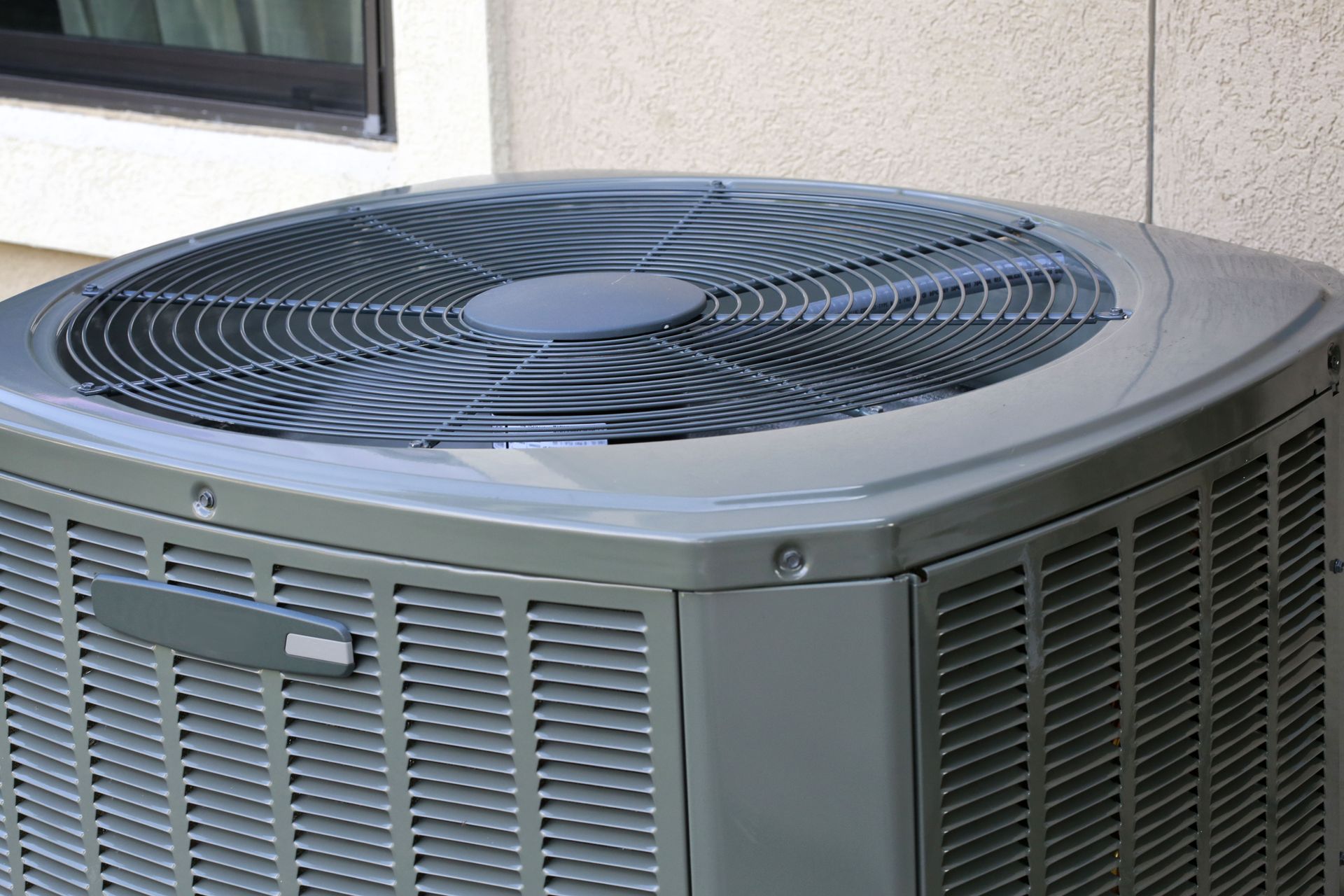
Air conditioning systems are complex machines composed of several critical components, each playing a vital role in cooling. Common components include compressors, condensers, evaporators, and expansion valves, all working in harmony to regulate indoor temperatures. Understanding how these parts function can help in diagnosing issues and maintaining system health. AC systems operate by using refrigerant to transfer heat from inside the home to the outside, effectively cooling the indoor air. As technology advances, many modern AC systems are designed to be more energy-efficient while providing optimal cooling.
There are various types of AC systems available, each suited to different needs and spaces. Central air conditioning is common in larger homes, providing even cooling throughout the house. Window units and portable ACs are popular for smaller spaces or for supplemental cooling. Split systems and ductless mini-splits offer flexibility and are ideal for homes without ductwork. Understanding the type of AC system you have will aid in its maintenance and efficient use.
The thermostat is another crucial component of an AC system, acting as the control center. It regulates the system's operation based on the temperature settings chosen by the user. Smart thermostats, which can be programmed and controlled remotely, are becoming increasingly popular for their convenience and energy-saving capabilities. Energy efficiency considerations are important when choosing an AC system and maintaining it, as they can significantly impact your energy bills. Regular maintenance ensures that your system operates at peak efficiency, minimizing energy consumption.
Benefits of Regular AC Maintenance
One of the most significant benefits of regular AC maintenance is improved energy efficiency. A well-maintained system operates more efficiently, using less energy to cool your home, which can result in lower utility bills. According to Therma, most plumbing services, including AC systems, should undergo professional maintenance once a year to ensure optimal performance. Regular maintenance can identify and rectify issues that might cause inefficiencies, such as dirty filters or blocked coils, ensuring the system runs smoothly. By keeping your system efficient, you not only save money but also reduce your carbon footprint.
Regular maintenance also prolongs the lifespan of your AC system. By addressing minor issues before they become major problems, you can avoid the wear and tear that leads to system breakdowns. This proactive approach can add years to the life of your AC unit, delaying the need for a costly replacement. Regular check-ups by a professional can ensure that all components are functioning correctly and that the system is not overexerting itself. This longevity is particularly beneficial in climates where AC usage is essential for large portions of the year.
Enhanced air quality is another benefit of maintaining your AC system. A clean and well-functioning AC system filters out pollutants and allergens, circulating clean air throughout your home. Regular maintenance includes tasks like changing filters and cleaning ducts, which directly impact air quality. This is crucial for households with individuals who suffer from allergies or respiratory issues. By prioritizing maintenance, you ensure that your home remains a safe and healthy environment.
Potential Problems Without Maintenance
Neglecting regular maintenance can lead to increased energy bills. When an AC system is not maintained, it has to work harder to cool your home, consuming more energy in the process. This inefficiency translates to higher utility costs over time. Issues such as clogged filters or leaking refrigerants can go unnoticed without regular check-ups, further reducing efficiency. Regular maintenance is an investment that pays for itself in the form of lower energy bills and reduced environmental impact.
Frequent breakdowns are another potential problem when maintenance is ignored. Minor issues can escalate into significant problems, leading to system failures and costly repairs. Regular inspections can identify these issues early, preventing unexpected breakdowns and ensuring continuous comfort. Preventive maintenance is crucial in avoiding the inconvenience and discomfort of a malfunctioning AC system, especially during peak usage times. Keeping the system in good working order ensures reliability and peace of mind.
Poor air quality can also result from a lack of maintenance. Dirty filters and ducts can circulate dust, allergens, and other pollutants throughout your home. Without regular cleaning and maintenance, these contaminants can accumulate, affecting the health of your household. This is particularly concerning for individuals with asthma or allergies, who may experience worsened symptoms. Regular maintenance ensures that your AC system contributes to a healthy indoor environment.
Key Maintenance Tasks and Their Importance
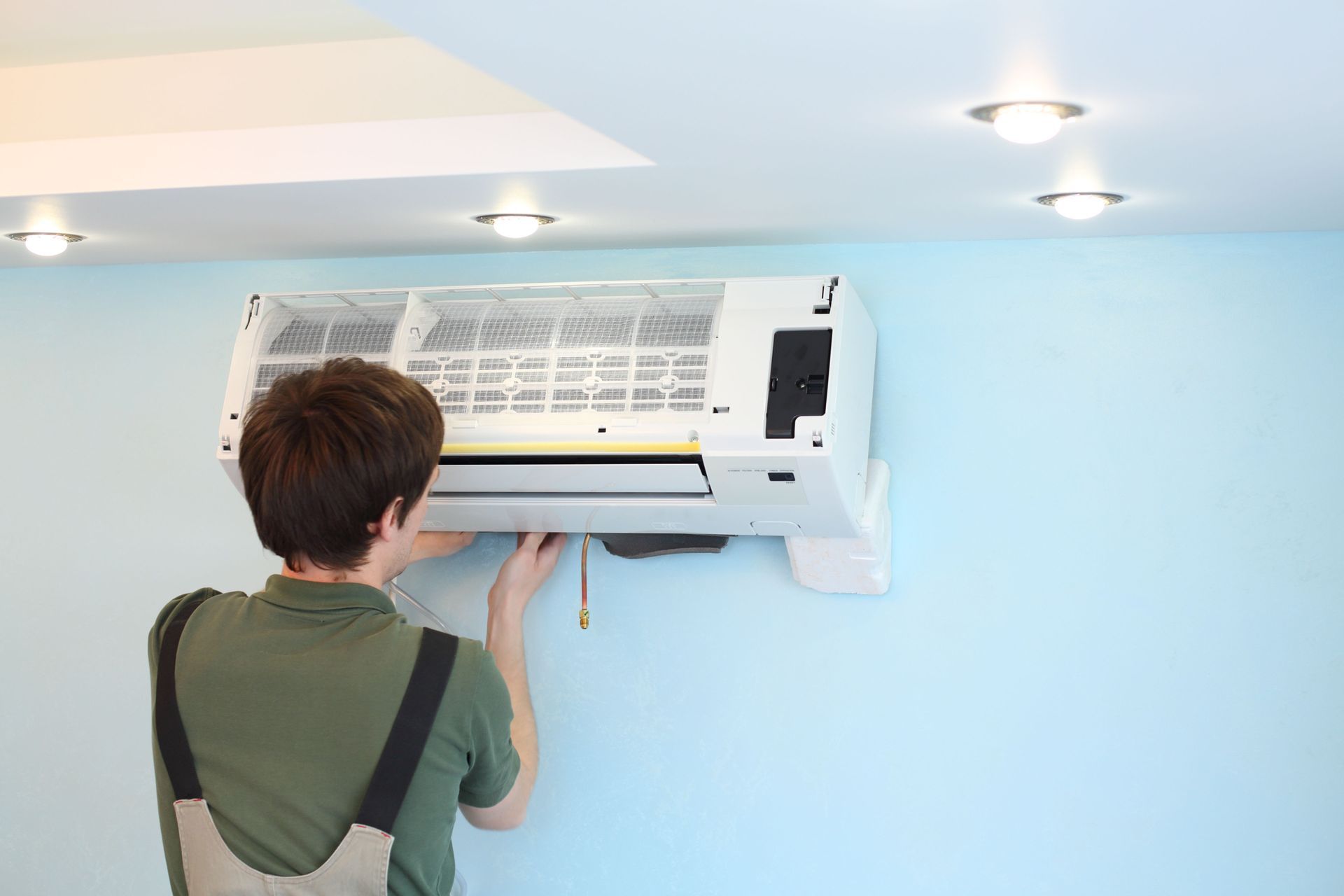
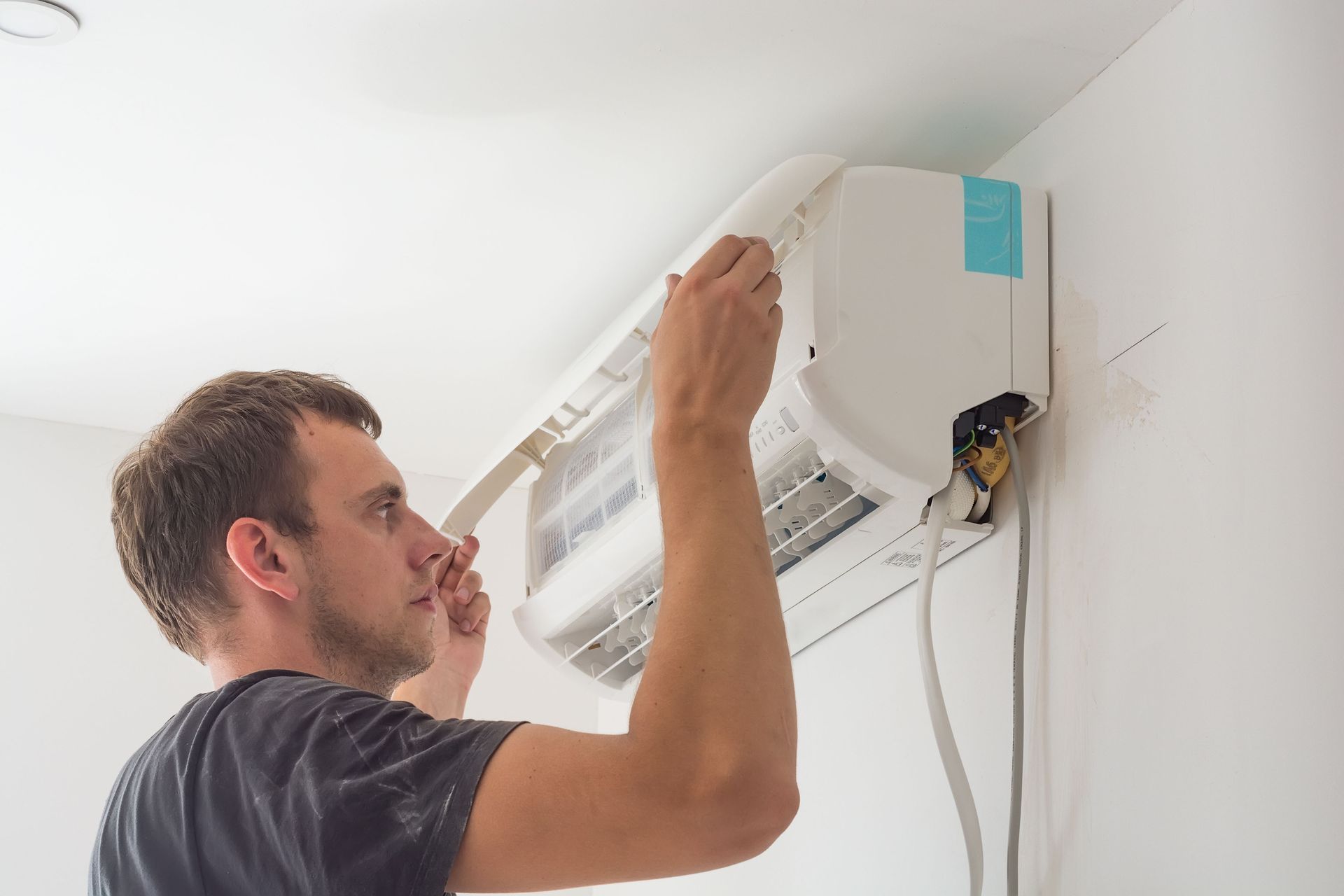
One of the most fundamental maintenance tasks is regular filter replacement. Filters trap dust, pollen, and other particles, preventing them from circulating in your home. Over time, these filters become clogged, reducing the system's efficiency and air quality. Replacing filters regularly ensures that the system operates smoothly and maintains good air quality. It's a simple yet crucial task that should be part of any maintenance routine.
Cleaning the coils is another essential maintenance task. The evaporator and condenser coils can collect dirt over time, reducing their ability to absorb and release heat. This can lead to increased energy consumption and reduced cooling efficiency. Regular cleaning of the coils ensures that they function optimally, keeping the system efficient. This task is best performed by a professional during routine maintenance visits.
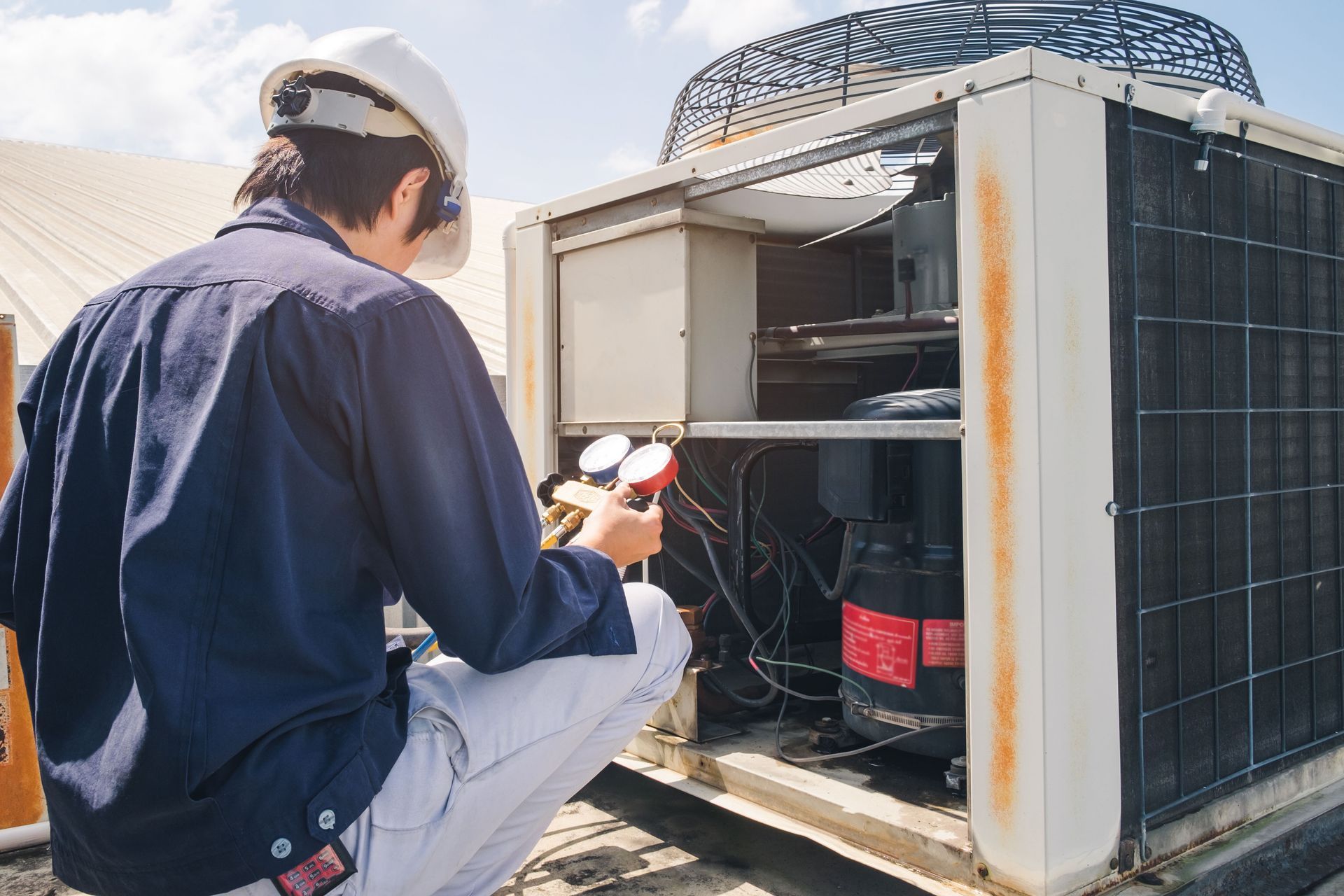
Checking refrigerant levels is crucial for the efficient operation of your AC system. Low refrigerant levels can lead to reduced cooling capacity and increased energy consumption. It's important to ensure that the system has the correct amount of refrigerant and that there are no leaks. Regular maintenance checks can identify and rectify issues with refrigerant levels, ensuring the system operates efficiently. Proper refrigerant management is key to maintaining a well-functioning AC system.
When to Schedule AC Maintenance
Seasonal maintenance recommendations suggest that AC systems should be checked at least twice a year, ideally in spring and fall. This ensures that the system is ready for the high-demand summer months and the cooler transitions of autumn. Regular maintenance checks can identify and address issues that may have developed during periods of heavy use. By scheduling maintenance ahead of peak seasons, you ensure that your system is in top condition when you need it most. This proactive approach can prevent unexpected breakdowns and ensure consistent comfort.
There are signs that your AC system needs immediate attention. Unusual noises, reduced cooling efficiency, and sudden increases in energy bills can all indicate that something is amiss. If you notice any of these signs, it's important to schedule maintenance promptly to prevent further damage. Regular maintenance helps to identify potential issues before they become major problems. Addressing these signs early can save you time, money, and discomfort.
Creating a maintenance schedule is a practical way to ensure regular upkeep of your AC system. This schedule should include regular filter changes, professional inspections, and cleaning tasks. Deciding between DIY and professional maintenance depends on your comfort level with performing basic tasks. While some tasks can be done by homeowners, others require the expertise of a professional to ensure safety and effectiveness. Emergency maintenance situations, such as sudden breakdowns, should be addressed by a professional to ensure proper repair and safety.
Regular AC maintenance is essential for ensuring year-round comfort and efficiency in your home. By understanding the basics of AC systems and the benefits of regular maintenance, you can keep your system running smoothly and efficiently. Regular maintenance helps prevent potential problems such as increased energy bills, frequent breakdowns, and poor air quality. By scheduling regular maintenance and choosing the right service provider, you ensure that your system operates at its best. Prioritizing
AC maintenance is an investment in comfort, safety, and energy savings. Contact Damm Good Plumbing & Air today.